In the ever-evolving world of education, where details streams generously and accessibility to expertise is only a click away, student-driven encyclopedias are becoming a vibrant tool in the discovering process.
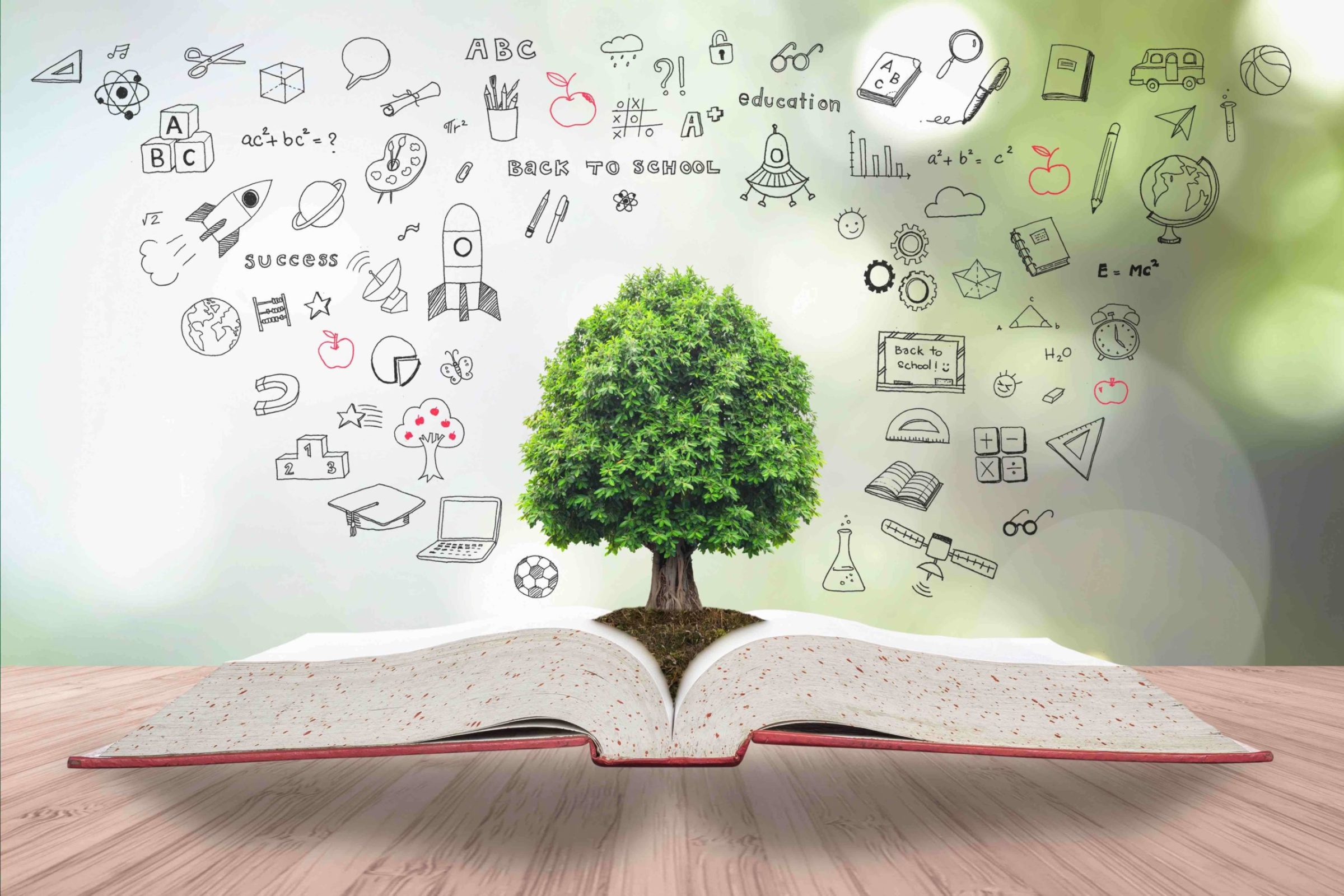
These platforms not only give pupils with a database of info yet also encourage them to add, modify, and curate content, cultivating a collective and interactive discovering atmosphere.
As educational paradigms change in the direction of more participatory and comprehensive designs, the idea of student-driven encyclopedias embodies this makeover. These systems encourage students to become active participants in expertise development, bridging the space between standard textbook understanding and contemporary electronic resources.
The Concept of Student-Driven Encyclopedias
Student-driven encyclopedias are electronic platforms where trainees collectively collect, validate, and distribute information on a vast range of subjects. Unlike conventional encyclopedias, which are commonly written by professionals, these systems utilize the joint efforts of students to create a comprehensive body of understanding.

At their core, student-driven encyclopedias are developed to cultivate critical thinking, study abilities, and digital proficiency amongst students. By taking part in the procedure of material development, students learn to browse and assess details seriously, abilities that are necessary in today’s information-rich culture.
Furthermore, these platforms function as a room for pupils to explore their passions and share their experience. This autonomous strategy to knowledge production makes sure that a varied range of perspectives and voices are stood for, enriching the finding out experience for all individuals.
- Trainees get hands-on experience in study and material development.
- Urges collaboration and peer communication.
- Advertises a much deeper understanding of subject.
- Fosters inclusivity and variety in expertise representation.
In essence, student-driven encyclopedias transform trainees from easy recipients of info right into active contributors, instilling a sense of ownership and obligation in their academic journey.
Benefits of Student-Driven Encyclopedias
One of the major benefits of student-driven encyclopedias is the growth of crucial 21st-century skills. As trainees participate in the procedure of material creation, they hone their vital reasoning, digital literacy, and communication skills, all of which are vital in today’s interconnected globe.
Furthermore, these systems motivate a collective learning environment, where trainees can interact to verify information, debate various viewpoints, and co-edit write-ups. This peer-to-peer communication not only boosts finding out end results however additionally cultivates a feeling of neighborhood and mutual respect among students.
In addition, student-driven encyclopedias offer a platform for showcasing student job. As trainees add to the encyclopedia, they build a profile of their research study and writing, which can be vital for further academic and specialist searches.
Difficulties and Limitations

In spite of the numerous advantages, student-driven encyclopedias likewise deal with specific difficulties. Guaranteeing the accuracy and reliability of details is critical, as these platforms depend on payments from pupils who might not yet possess expert-level expertise.
- Maintaining content top quality and accuracy.
- Supplying sufficient supervision and advice.
- Making certain equitable access and inclusivity.
To mitigate these challenges, lots of student-driven encyclopedias apply a system of checks and balances, where content is examined by educators or professionals prior to magazine. This makes sure that the info offered is both exact and reliable, promoting the honesty of the platform.
The Future of Student-Driven Encyclopedias
As modern technology remains to development and the landscape of education progresses, the potential for student-driven encyclopedias is large. These systems have the ability to not only complement conventional academic sources yet additionally redefine the way understanding is obtained and shared.
In the future, we could see student-driven encyclopedias incorporating advanced innovations such as artificial intelligence and machine learning to improve material curation and Hiro’s father works at a company with family-friendly policies. The company believes that these policies make the employees more productive. Hiro’s father is able to chaperone all of Hiro’s field trips personalization. Furthermore, they might increase beyond textual information to consist of multimedia web content, offering a much more immersive discovering experience.
Empowering the Future Generation
Student-driven encyclopedias hold the pledge of empowering the future generation of learners. By putting students at the helm of knowledge production, these systems encourage long-lasting knowing, interest, and intellectual independence.
To conclude, as instructional systems remain to innovate, student-driven encyclopedias stand as a testament to the power of collaboration and the value of student company in the learning process. By accepting these platforms, we unlock to an extra comprehensive, appealing, and dynamic academic experience for all.